
Home Solar Energy FAQs
Everything You Need to Know About Solar for Your Home
Solar energy can feel complex, confusing, or even risky if you do not have clear and unbiased information. This FAQ hub has been created to give homeowners a complete, plain English understanding of domestic solar energy. Whether you are just starting to explore solar panels, comparing systems, worried about costs, or trying to avoid common mistakes, this page brings together the most searched questions and the most misunderstood topics in one place. Our goal is not to sell solar, but to help you make a confident, informed decision that works for your home, lifestyle, and long term finances.
Understanding Solar Energy at Home
These questions explain how solar works in a domestic setting and clear up common misconceptions. If you are new to solar, start here to build a solid foundation.
-
Solar energy for the home works by converting sunlight into electricity using solar panels, usually installed on the roof. The panels generate direct current electricity, which is converted into usable alternating current by an inverter. That electricity can then power your home appliances in real time.
-
Yes. Solar panels still generate electricity on cloudy days, although output is lower than in direct sunlight. Modern panels are designed to work efficiently in the UK climate and can still produce meaningful energy even in overcast conditions.
-
Solar panels do work in winter. Shorter days reduce overall generation, but cooler temperatures can actually improve panel efficiency. Solar generation is lower in winter but does not stop.
-
A typical home solar system includes solar panels, an inverter, mounting equipment, electrical cabling, and optionally a battery. Some systems also include monitoring software so you can track performance.
-
Yes. Solar energy is renewable because sunlight is naturally replenished. Once installed, solar panels generate electricity without producing emissions, making them one of the cleanest energy sources available to homes.
Benefits of Solar Energy for Homeowners
These questions focus on why homeowners choose solar and what real world benefits it can bring, financially, environmentally, and practically.
-
Homeowners install solar panels to reduce electricity bills, protect themselves from rising energy prices, lower their carbon footprint, and increase energy independence.
-
Savings vary depending on system size, household usage, and how much energy you use during the day. Many homes see reductions of 30 to 60 percent on electricity bills, with greater savings when combined with a battery.
-
In many cases, yes. Homes with solar panels can be more attractive to buyers due to lower running costs and improved energy efficiency ratings.
-
Solar reduces reliance on fossil fuels and lowers household carbon emissions. Over its lifetime, a typical solar system offsets many times the emissions produced during its manufacture.
-
Yes. Solar reduces reliance on grid electricity. Adding a battery allows you to store excess energy for evening use, increasing independence further.
Costs, Savings, and Financial Considerations
This section addresses cost concerns, payback times, and common financial questions homeowners ask before committing to solar.
-
Costs vary based on system size and whether a battery is included. A typical home system ranges from several thousand pounds upward. Prices have fallen significantly over the past decade.
-
Payback periods are commonly between 7 and 12 years depending on usage, system size, electricity prices, and whether you receive export payments.
-
In the UK, homeowners may benefit from schemes that pay for excess electricity exported back to the grid. Availability and rates can change, so it is important to check current options.
-
Yes. Rising electricity prices and falling panel costs mean solar can still offer strong long term value even without large subsidies.
-
Some homeowners choose finance options such as loans or payment plans. It is important to compare interest costs against projected energy savings.
Solar Batteries and Energy Storage
These questions explain how batteries work, who they are suitable for, and when they make sense financially.
-
A solar battery stores excess electricity generated during the day so it can be used later, typically in the evening or overnight.
-
Not everyone needs a battery. Batteries are most beneficial for households that use more electricity in the evening or want greater energy independence.
-
Most modern solar batteries last between 10 and 15 years and come with performance warranties.
-
Some systems can provide limited backup power, but not all batteries are designed for full home backup. This should be discussed during system design.
Installation, Roofs, and Practical Suitability
These questions explain how batteries work, who they are suitable for, and when they make sense financially.
-
Most roofs are suitable. Orientation, shading, roof condition, and available space all affect system design, but installers can usually adapt systems to different properties.
-
When installed correctly, solar panels should not damage your roof. Professional installation includes weatherproof mounting systems.
-
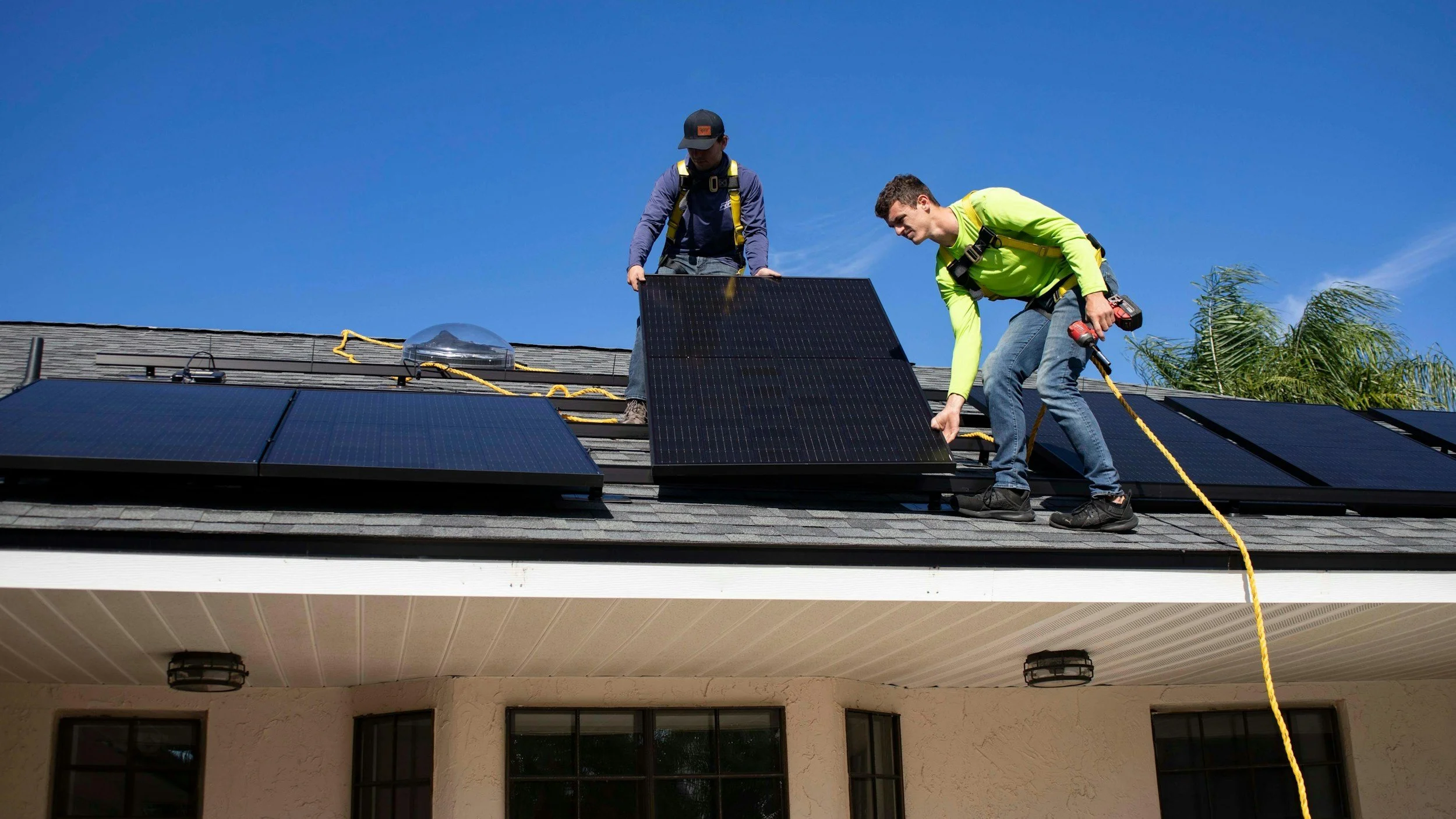
Most domestic installations take one to two days once planning and approvals are complete.
-
In many cases, solar panels fall under permitted development. Listed buildings or conservation areas may require additional permissions.
Performance, Maintenance, and Lifespan
These questions focus on how long systems last, how much maintenance is required, and what ongoing ownership looks like.
-
Most panels last 25 to 30 years and continue producing electricity beyond that, although at gradually reduced efficiency.
-
Solar panels require very little maintenance. Occasional cleaning and system checks are usually sufficient.
-
Most domestic installations take one to two days once planning and approvals are complete.
-
Individual components like inverters may need replacement during the system lifetime. Warranties usually cover key components.
Pitfalls, Risks, and Common Mistakes
This section addresses concerns, negatives, and things homeowners should watch out for before choosing solar.
-
Upfront cost, dependence on daylight, and the need for suitable roof space are common limitations. These can often be managed with good system design.
-
Yes. Homeowners should be cautious of unrealistic savings claims, pressure selling, and unclear contracts. Independent advice is valuable.
-
Poor design, shading, or incorrect installation can reduce performance. A proper site assessment is essential.
-
Solar panels usually remain with the property and can be a selling point. Ownership and warranties should be clearly documented.
Is Solar Right for Me?
These final questions help homeowners decide whether solar makes sense for their specific circumstances.
-
Households with daytime electricity use, rising energy bills, and long term plans to stay in their home often benefit the most.
-
Yes, but system size and expectations should be matched carefully to usage patterns.
-
Solar technology continues to improve, but current systems are already highly efficient and reliable. Waiting often means missing years of potential savings.
-
Start with education, understand your energy usage, and seek impartial guidance before speaking to installers.