
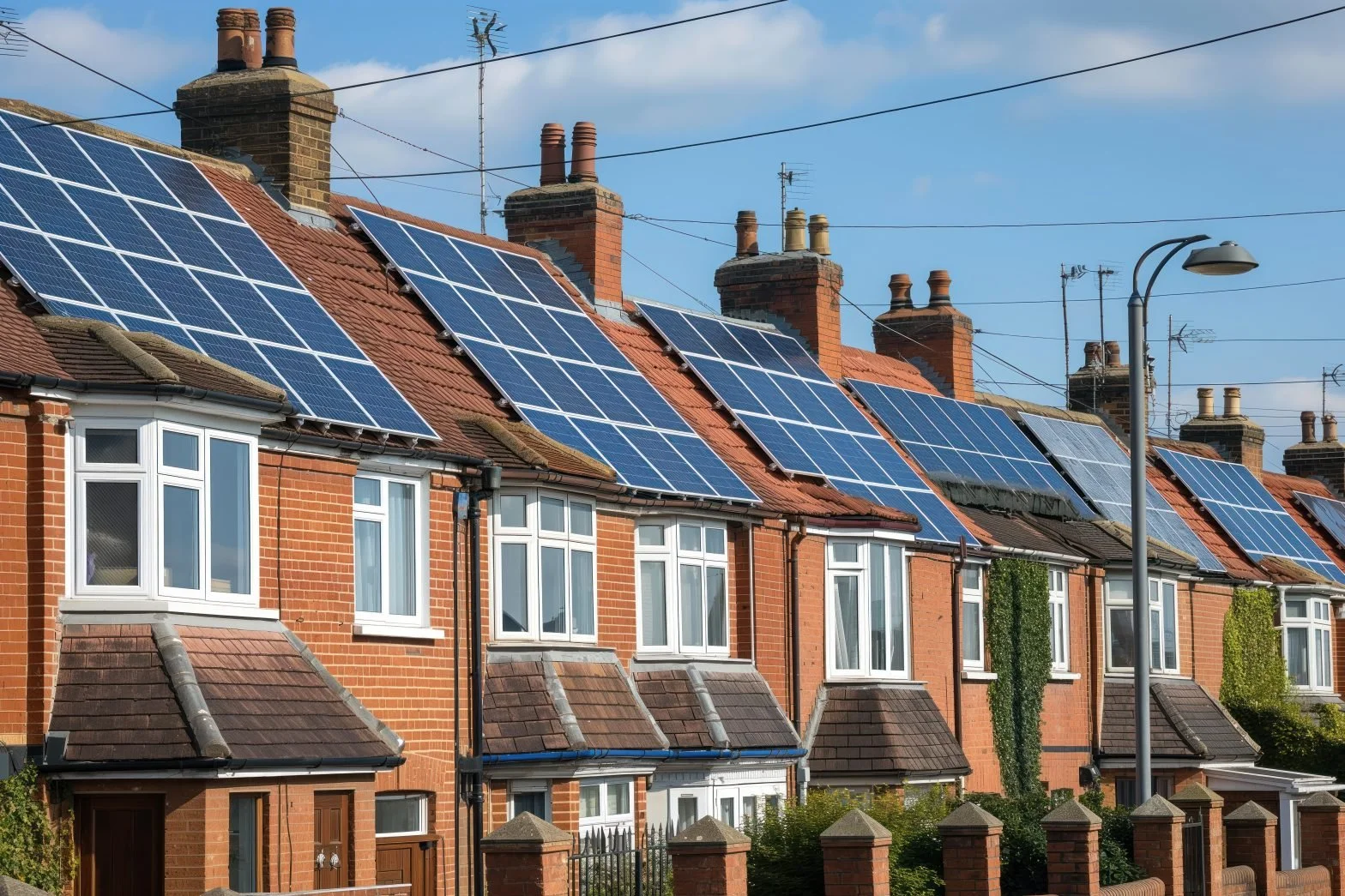
How Much Do Solar Panels Cost for a UK Home in 2026?
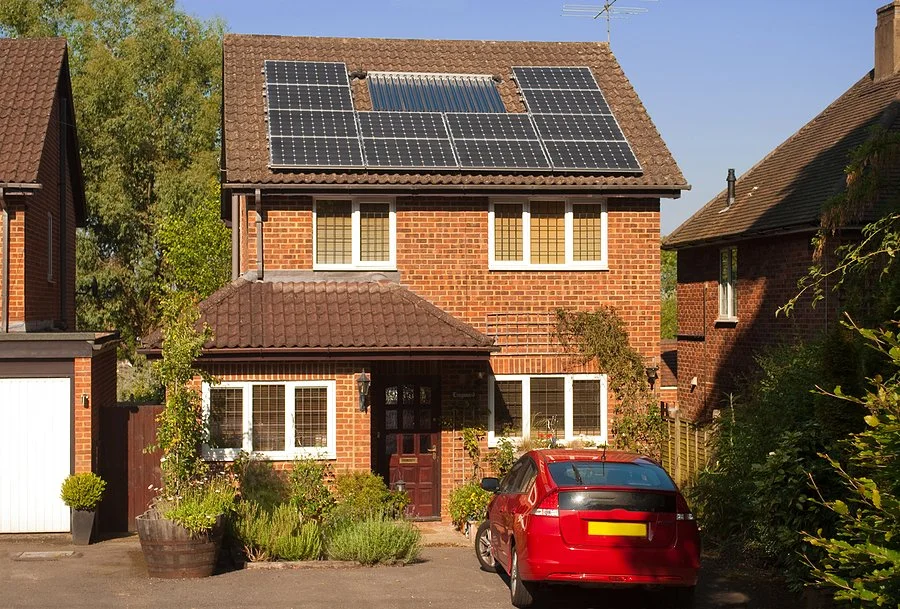
For most homeowners, the first serious question about solar is not how it works, but how much it costs and whether it is actually worth it. The answer is not a single number, because solar pricing depends on your home, your energy use, and how you plan to use the electricity you generate. What follows is a clear and realistic breakdown of solar panel costs in the UK, what affects the price, and how homeowners should think about value rather than just upfront spend.
The short answer on solar panel costs
In 2026, a typical solar panel system for a UK home usually costs several thousand pounds. Smaller systems at the lower end suit modest electricity use, while larger systems with batteries sit at the higher end. What matters more than the headline price is how much electricity the system generates, how much of that electricity you use yourself, and how long you plan to stay in your home.
What you are actually paying for
A home solar system is not just panels on a roof. The cost normally includes the panels themselves, an inverter to convert electricity into usable power, mounting equipment, electrical work, safety equipment, and installation labour. If you add a battery, that introduces an additional component designed to store surplus energy for later use.
Panels make up only part of the overall cost. Inverters and batteries are often the components most likely to need replacement during the lifetime of the system, which is why quality and warranty matter just as much as price.
What affects the cost of solar panels most
The size of the system is the biggest cost factor. Larger systems generate more electricity but cost more to install. Roof layout also matters. A simple, south facing roof with little shading is cheaper to design for than a complex roof with multiple angles or obstructions.
Batteries increase the cost but can also improve long term savings by allowing more of your own electricity to be used in the evening. Your household electricity usage pattern matters just as much as total consumption.
Typical Solar Panel Costs for UK Homes (At a Glance)
To give homeowners a realistic sense of price, most UK solar installations in 2026 fall within the following ranges.
Typical UK solar panel costs
Small home system (1.5 to 2 kW, 3 to 4 panels)
Around £3,000 to £4,500
Suitable for low electricity use or limited roof spaceAverage home system (3.5 to 4 kW, 8 to 10 panels)
Around £5,000 to £7,000
The most common choice for typical UK householdsLarger home system (5 to 6 kW, 12 to 16 panels)
Around £7,000 to £9,000
Better suited to higher electricity use or homes with electric vehicles
These prices usually include panels, inverter, mounting equipment, installation, and system commissioning.
Optional: Battery Pricing Add-On (If Included)
Some homeowners choose to add a battery to store unused solar electricity for evening use. Batteries increase upfront cost but can improve long term savings.
Typical battery costs in the UK:
5 kWh battery: £2,000 to £3,000
8 to 10 kWh battery: £3,000 to £5,000
12 kWh or larger battery: £5,000 to £7,000+
With a battery included, total system costs often fall between £7,000 and £12,000, depending on capacity and system size.
How much homeowners typically save
Solar savings come from using your own electricity instead of buying it from the grid. The more of your solar electricity you use directly, the greater the savings. Homes with daytime usage, home working, or batteries tend to benefit most.
Many homeowners see noticeable bill reductions from the first month. Over time, these savings add up and help offset the initial cost of the system.
Understanding payback time properly
Payback time refers to how long it takes for the savings on electricity bills to equal the cost of the system. In the UK, payback periods are commonly within the range of several years rather than decades, but they vary widely.
Payback is influenced by electricity prices, how much energy you use during the day, whether you export electricity back to the grid, and whether you include a battery. Rising energy prices tend to shorten payback times, which is why solar has become more attractive in recent years.
Solar with and without a battery
Solar panels without a battery still reduce bills by powering your home during daylight hours. A battery allows you to store unused electricity and use it later, increasing self consumption.
Batteries add cost, but they also increase control and predictability. For households that use most electricity in the evening, a battery can make a meaningful difference.
Is solar worth it at today’s energy prices?
For many households, yes. Solar works best when viewed as a long term investment rather than a short term saving. Homes with stable occupancy, rising energy costs, and moderate to high electricity usage are often well suited to solar.
Solar is not ideal for every home. Properties with heavy shading or very low electricity usage may see smaller benefits. Honest assessment is essential.
The right way to think about solar costs
Solar should be evaluated the same way you would assess insulation or double glazing. It reduces ongoing costs, improves energy resilience, and adds long term value rather than delivering instant profit.
A good solar decision is based on understanding, not pressure. If you are unsure, independent guidance matters more than quick quotes.
For broader questions about how solar works, benefits, and downsides, explore the full FAQ hub on Solar Helper.