
Is My House Suitable for Solar Panels
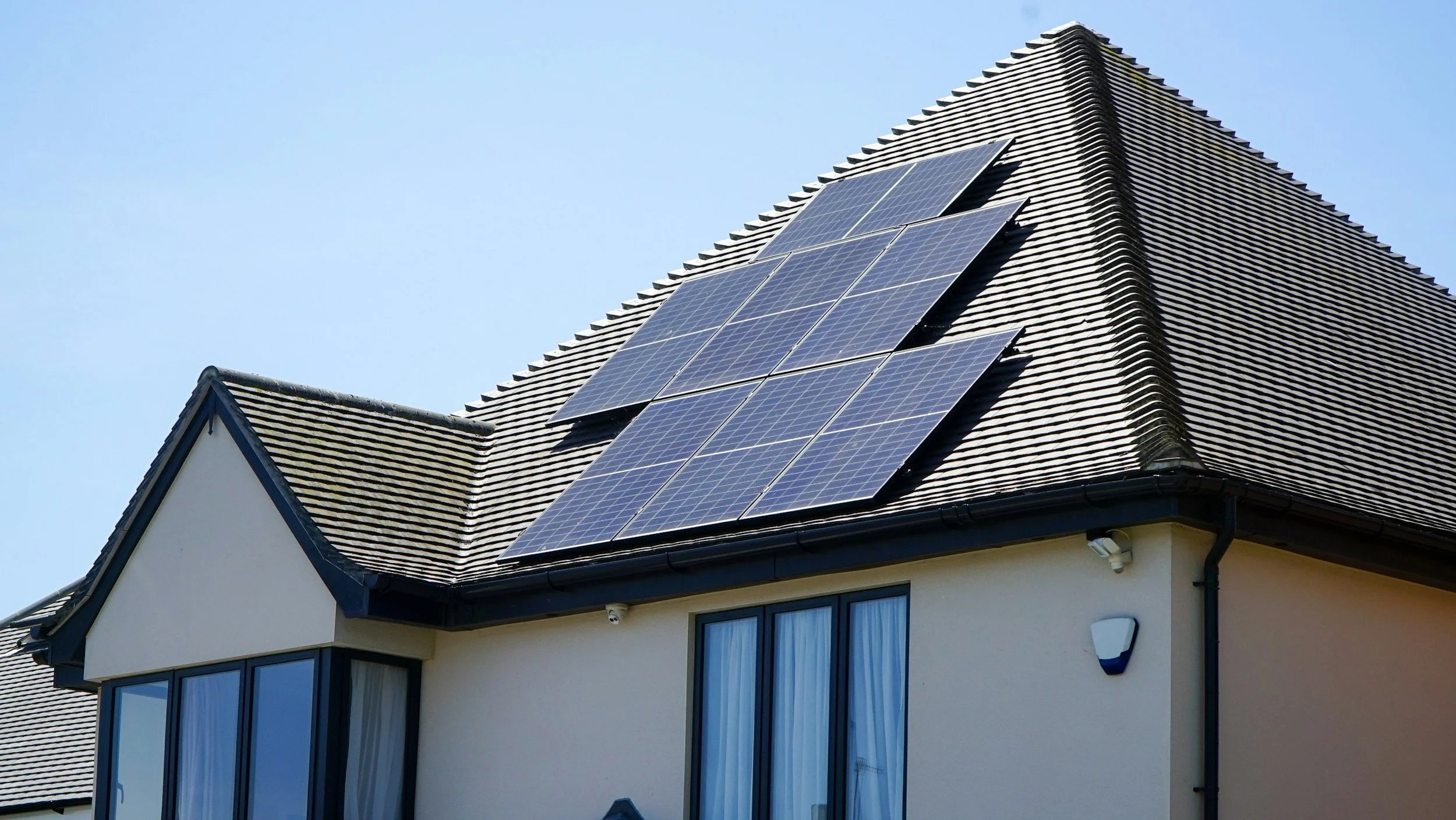
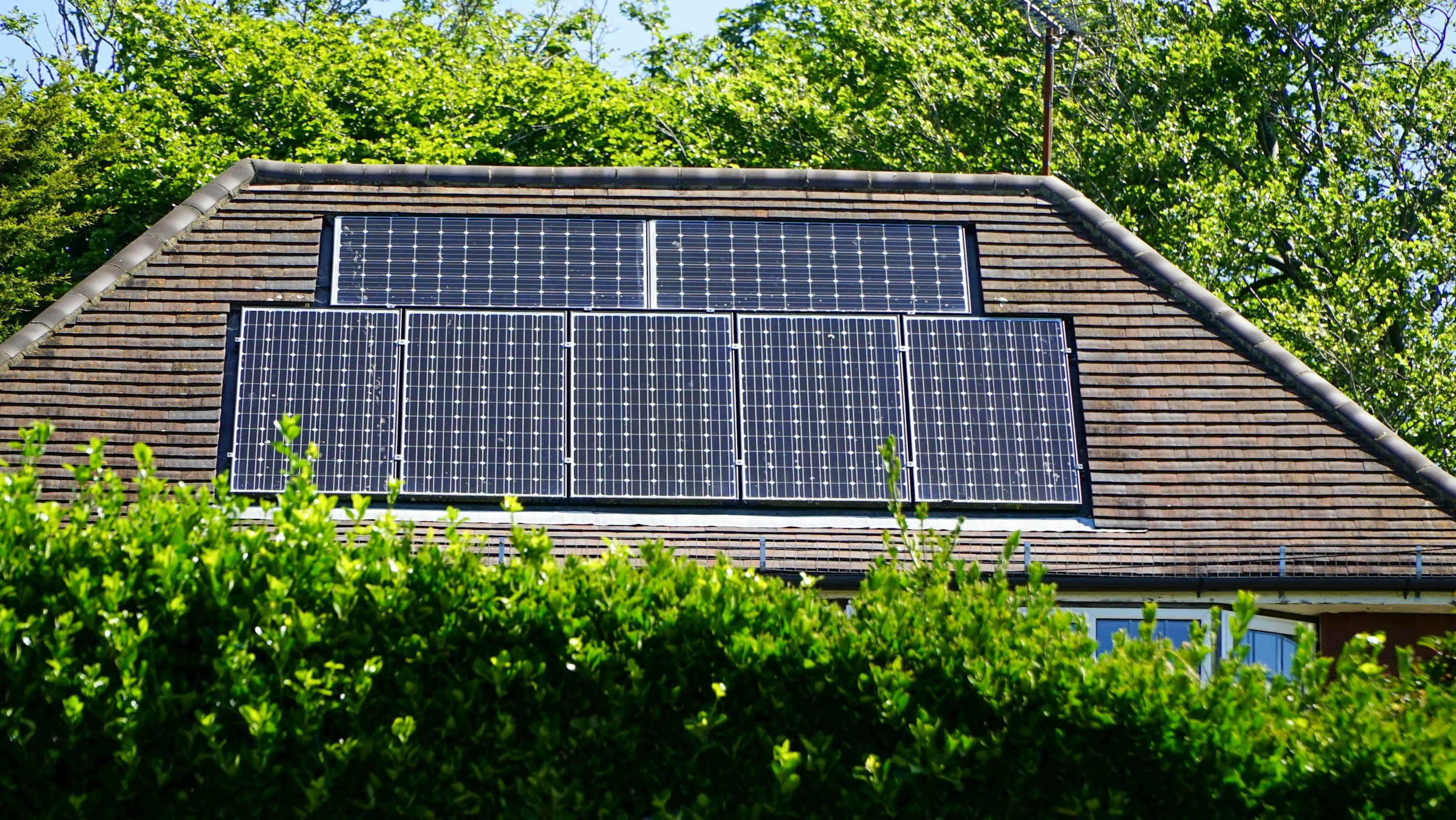
Many homeowners assume solar panels only work on perfect south facing roofs or large detached houses. In reality, most homes in the UK are suitable for solar panels in some form. The key question is not whether your house can have solar panels, but how well they will perform based on your roof, layout, and energy usage.
What Makes a House Suitable for Solar Panels
Solar panels do not require a perfect setup to be worthwhile. They work best when several factors align, but modern systems are far more flexible than many people realise.
Read our other guide about Solar Panel Costs.
Does Roof Direction Matter for Solar Panels
South facing roofs generate the most electricity, but east and west facing roofs can still produce excellent results. East facing panels generate more energy in the morning, while west facing panels perform better later in the day. This can actually suit households that use electricity outside standard working hours.
What Roof Pitch Is Best for Solar Panels
Most UK roofs fall within an ideal pitch range for solar panels. Even flatter or steeper roofs can usually be accommodated with mounting systems that optimise panel angle. Roof pitch rarely disqualifies a property from solar altogether.
Typical Solar Panel Costs for UK Homes (At a Glance)
To give homeowners a realistic sense of price, most UK solar installations in 2026 fall within the following ranges.
Typical UK solar panel costs
Small home system (1.5 to 2 kW, 3 to 4 panels)
Around £3,000 to £4,500
Suitable for low electricity use or limited roof spaceAverage home system (3.5 to 4 kW, 8 to 10 panels)
Around £5,000 to £7,000
The most common choice for typical UK householdsLarger home system (5 to 6 kW, 12 to 16 panels)
Around £7,000 to £9,000
Better suited to higher electricity use or homes with electric vehicles
These prices usually include panels, inverter, mounting equipment, installation, and system commissioning.
Read our guide on how much you can save per year, with Solar.
Optional: Battery Pricing Add-On (If Included)
Some homeowners choose to add a battery to store unused solar electricity for evening use. Batteries increase upfront cost but can improve long term savings.
Typical battery costs in the UK:
5 kWh battery: £2,000 to £3,000
8 to 10 kWh battery: £3,000 to £5,000
12 kWh or larger battery: £5,000 to £7,000+
With a battery included, total system costs often fall between £7,000 and £12,000, depending on capacity and system size.
Does Shade Stop You Having Solar Panels
Light or partial shading does not automatically mean solar panels will not work. Modern systems can minimise the impact of shade by isolating affected panels. Heavy, permanent shade from nearby buildings or trees may reduce performance, but it is rarely a complete barrier.
Is My Roof Strong Enough for Solar Panels
Solar panels are lighter than most people expect. A typical system adds less weight than a layer of roof tiles. If your roof is in reasonable condition, it is usually strong enough. Older roofs may need inspection, but reinforcement is uncommon.
Can Terraced Houses Have Solar Panels
Terraced houses are often suitable for solar panels, especially if the roof is unshaded and has enough surface area. While space is more limited than on detached homes, many terraced properties still generate meaningful savings. Planning permission is rarely required for standard installations.
Read our other guide regarding Solar Panels for Terraced Houses.
Do You Need Planning Permission for Solar Panels
Most residential solar installations in the UK fall under permitted development. Exceptions can apply to listed buildings or conservation areas, but even then approval is often possible. Planning rules are rarely a reason to rule out solar entirely.
How Your Electricity Usage Affects Suitability
Suitability is not just about your roof. Homes that use more electricity during the day often benefit more from solar panels. Working from home, running appliances during daylight hours, or pairing solar with a battery can significantly improve results.
When a House Might Not Be Ideal for Solar Panels
A house may be less suitable if the roof is heavily shaded all day, extremely small, or in very poor condition. Even then, alternatives like shared systems or future upgrades may still be possible.
So, Is Your House Suitable for Solar Panels
In most cases, yes. The majority of UK homes can support solar panels and generate worthwhile savings. Suitability is best judged through a simple assessment rather than assumptions based on roof direction or property type.
Get a Personal Solar Suitability Check
Every home is different. A quick assessment can confirm whether your house is suitable for solar panels and show what level of savings you could realistically expect.